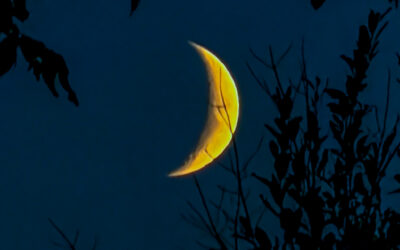
Here’s what most beginner photographers overlook…
fascinating light.
Inexperienced photographers usually search for interesting subjects rather than obsess over finding interesting light.
This is not to say a good photo can’t be made by searching for interesting subjects.
Of course it can.
But over the years, as you practice becoming a better photographer, you will encounter many, many days when an interesting subject is hard to find.
That doesn’t mean that your camera needs to be shelved until you finally find something that feels good enough to photograph.
In the dry times, in the lulls, when nothing around you sparks inspiration, don’t take a break from photography.
Instead, tune your eyes to light.
Rather than focusing on finding interesting things, focus on finding interesting light.
Some of the best photographers the world has ever seen had one thing in common: they had a talent for noticing fascinating light and using it in their photographs.
We can learn something from them.

Is there more to see in this scene?
Become obsessed with finding interesting light.
Don’t brush off a boring, typical scene.
Get curious about how light is interacting on ordinary subjects.
You may need to get closer.
Look more closely.

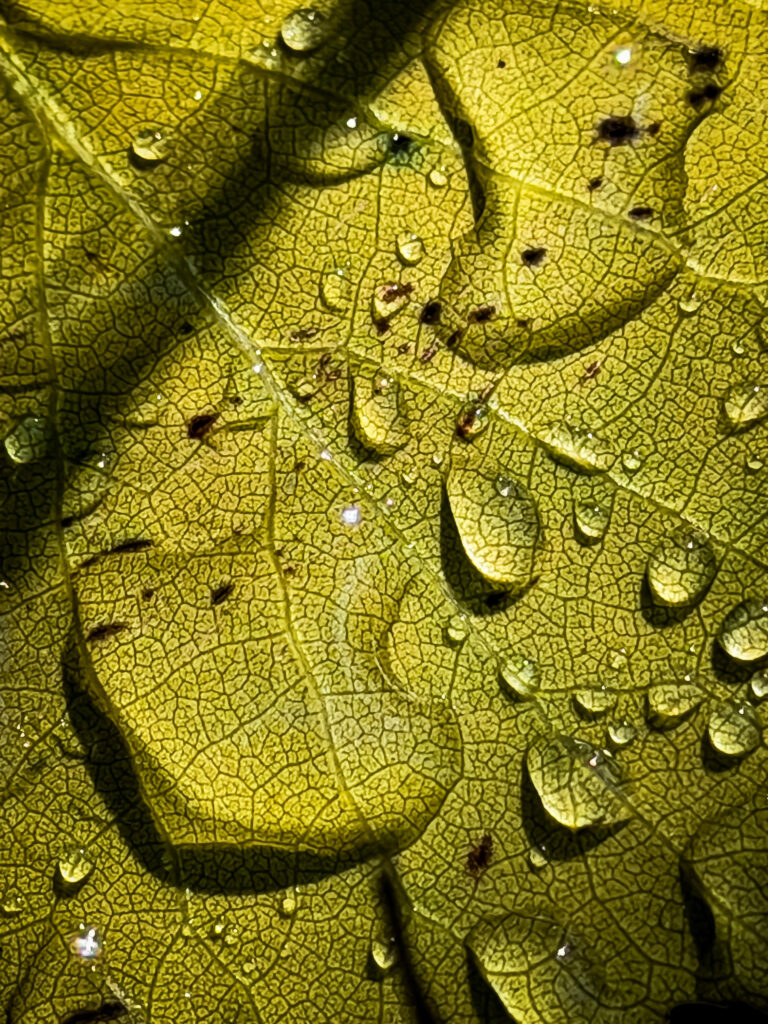
Getting closer, and I’m starting to see dynamic effects of the light…
Because a fascinating photo may just be hiding in plain sight. All it needs is for you to notice how the light is making it spectacular.Don’t be shy, get super close. And look at what the light is doing to the texture, the colour, the shapes and the patterns.
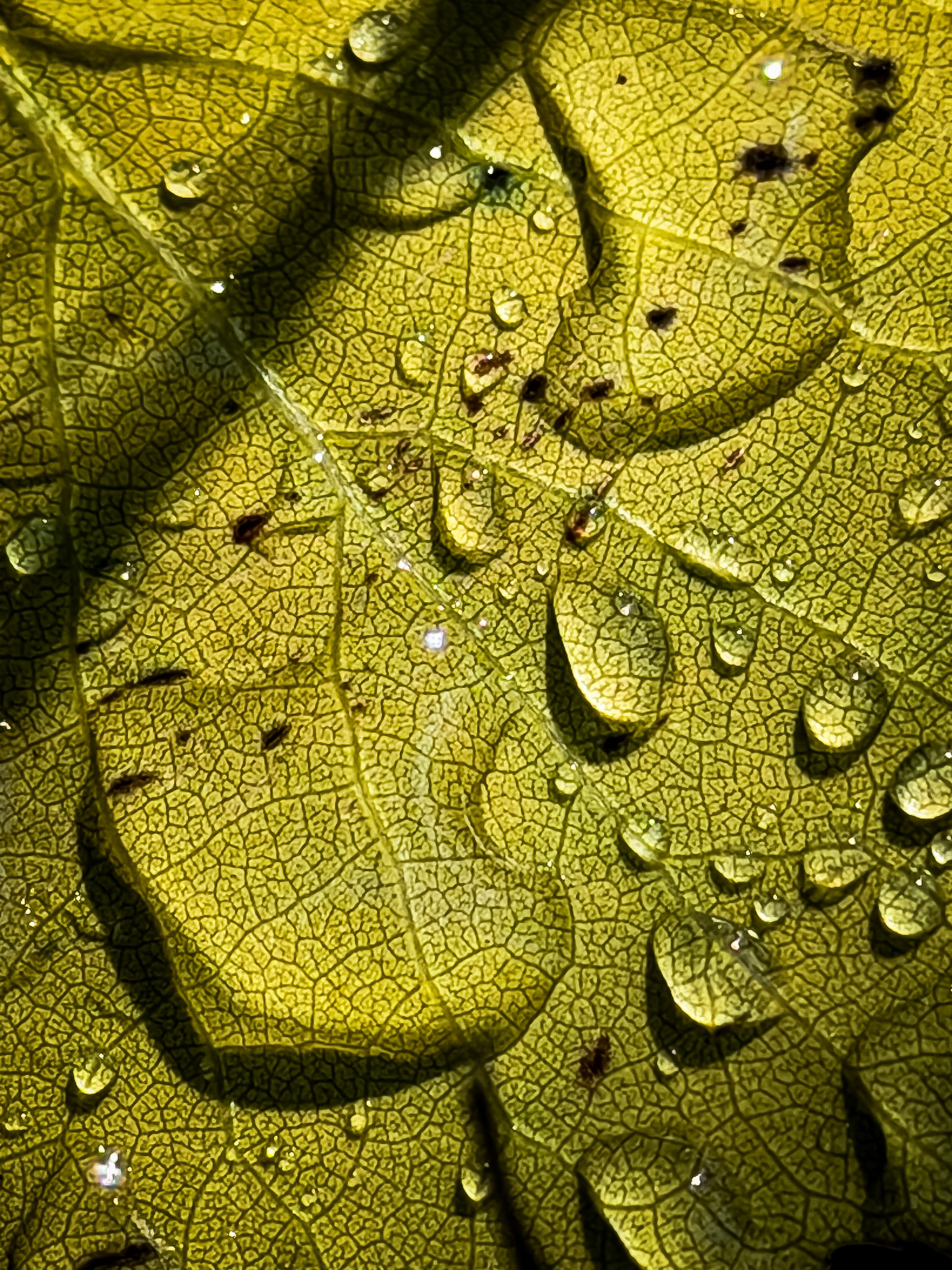
Finally got in closer and saw the wonders of light hitting the details of the leaf.
Become obsessed with finding light hitting a subject in just the right way. Light has a massive ability to turn ordinary subjects into masterpieces.
And the delight of a photographer is to record it.
How to get obsessed with light:
- Schedule a time to take a photo walk when the light is interesting outside. You can start with these two options: One hour before sunset (golden hour) or in full sun at midday. Both provide great opportunities for finding interesting light.
- Search for the effects of the light, not just the light itself. An obvious example is searching for shadows. Look at what the light does (or does not do) on a surface or in a scene.
- Avoid flat, soft, overcast light when practicing looking for light. You’ll have a hard time finding interesting effects in this type of light. Instead focus on sharp, bright, hard light.
- Take photos of the light as if it’s the subject of the photo. This could be taking photos directly at the source of light, or taking photos of light streaks, reflections or flares. Don’t be afraid to do the wrong thing – just experiment and don’t worry about failed photos. The point is to practice!
If you follow these four guidelines, you’ll be well on your way to developing an eye for interesting light. Over time, this will result in more dynamic, eye-catching photos. Trust me on this one.
Another example of finding interesting light:
| Illuminated drops on a spider web |
•••
 Hi I’m Gabrielle. I run a full time photography business in Winnipeg, specializing in portrait and commercial photography.
This blog started with my passion for helping everyday people realize their full photography potential. With a bit of technical and creative help, you too can take better photos with the phone camera you already have.
For more free resources and phone photography tips, follow me on Instagram or subscribe to my newsletter here.